Service Focus
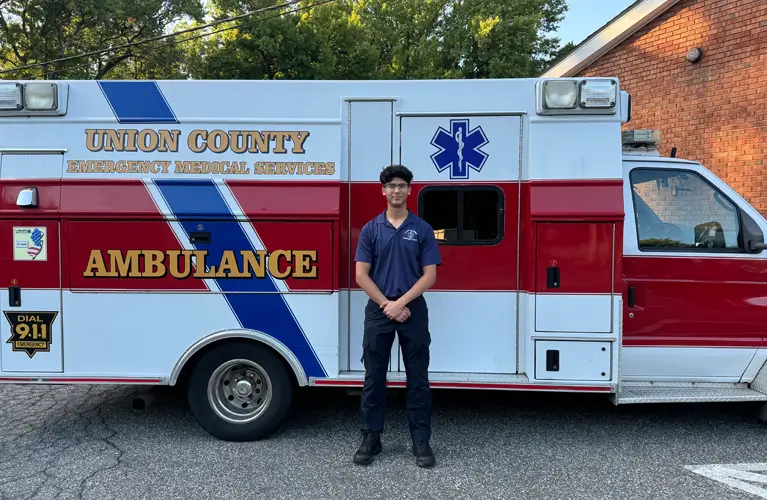
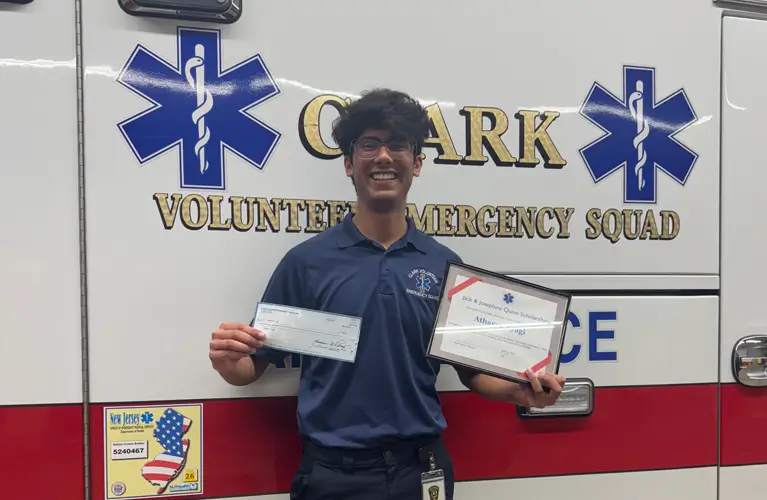
The EMS program provides hands-on experience in emergency medicine, allowing volunteers to apply anatomy, physiology, and clinical judgment in real time. Through routine shifts and high-stress calls, I learned how to manage airway support, vital signs, bleeding control, and patient communication under acute stress. The work bridges medical science with human empathy, where each decision directly affects an outcome.
Outcomes & Impact
The EMS program provides hands-on experience in emergency medicine, allowing volunteers to apply anatomy, physiology, and clinical judgment in real time. Through routine shifts and high-stress calls, I learned how to manage airway support, vital signs, bleeding control, and patient communication under acute stress. The work bridges medical science with human empathy, where each decision directly affects an outcome.
Reflection
The EMS program provides hands-on experience in emergency medicine, allowing volunteers to apply anatomy, physiology, and clinical judgment in real time. Through routine shifts and high-stress calls, I learned how to manage airway support, vital signs, bleeding control, and patient communication under acute stress. The work bridges medical science with human empathy, where each decision directly affects an outcome.