
Queen Merry University of London

The William Harvey Research Institute

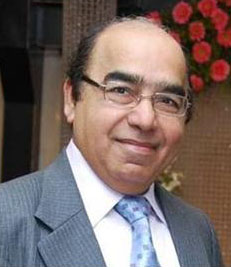
Research Intern under the mentorship of Dr Dhavendra Kumar

Overview

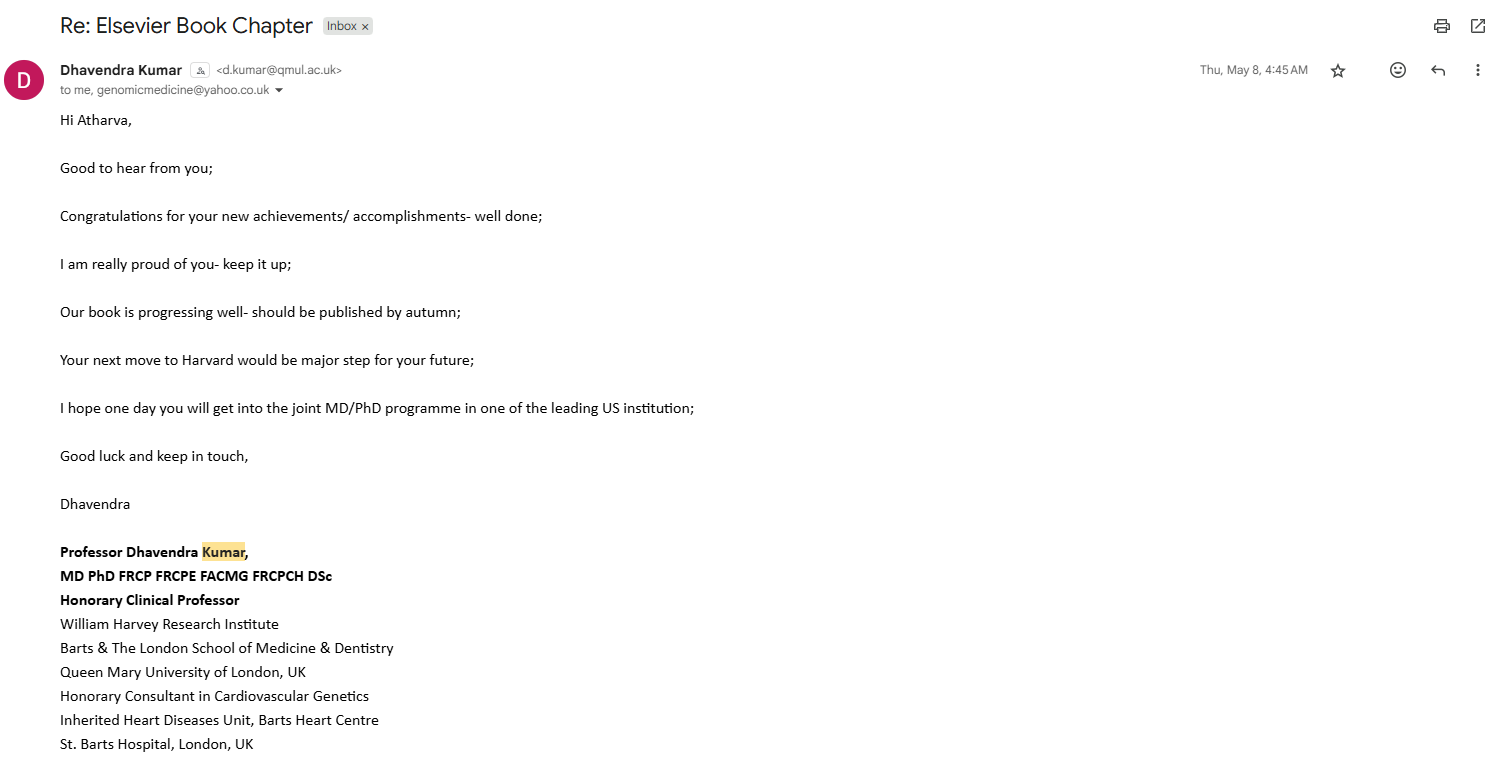
At the William Harvey Research Institute, Queen Mary University of London, I collaborated virtually with Professor Dhavendra Kumar, an Honorary Clinical Professor of Cardiovascular Genetics at Barts and The London School of Medicine and Dentistry, to co-author a book chapter for Elsevier on Precision Nutrition and Gut Metagenomics. The project explored how genetic and microbial interactions shape individualized health outcomes. The chapter, titled Metagenomics and Precision Nutrition, is scheduled for publication in an Elsevier academic volume in autumn 2025, with Professor Kumar joining as a co-author and editor following his review of my initial manuscript.

Precision Nutrition and Gut Metagenomics: A Systems Approach to Health

Research Focus

Metagenomics is the study of microbial genetic material obtained directly from environmental or biological samples. Within the human body, this field has transformed understanding of the gut microbiome, a complex ecosystem that regulates metabolism, immunity, and nutrient absorption.

Our chapter analyzed how advances in metagenomics are enabling precision nutrition, an approach that tailors diet and treatment to a person’s genetic and microbial composition. The work described how variations in gut microbial diversity influence energy balance, immune function, and neurological health. The research integrated data from nutrigenomics, metabolomics, and transcriptomics, presenting a systems-level model for personalized nutritional care.
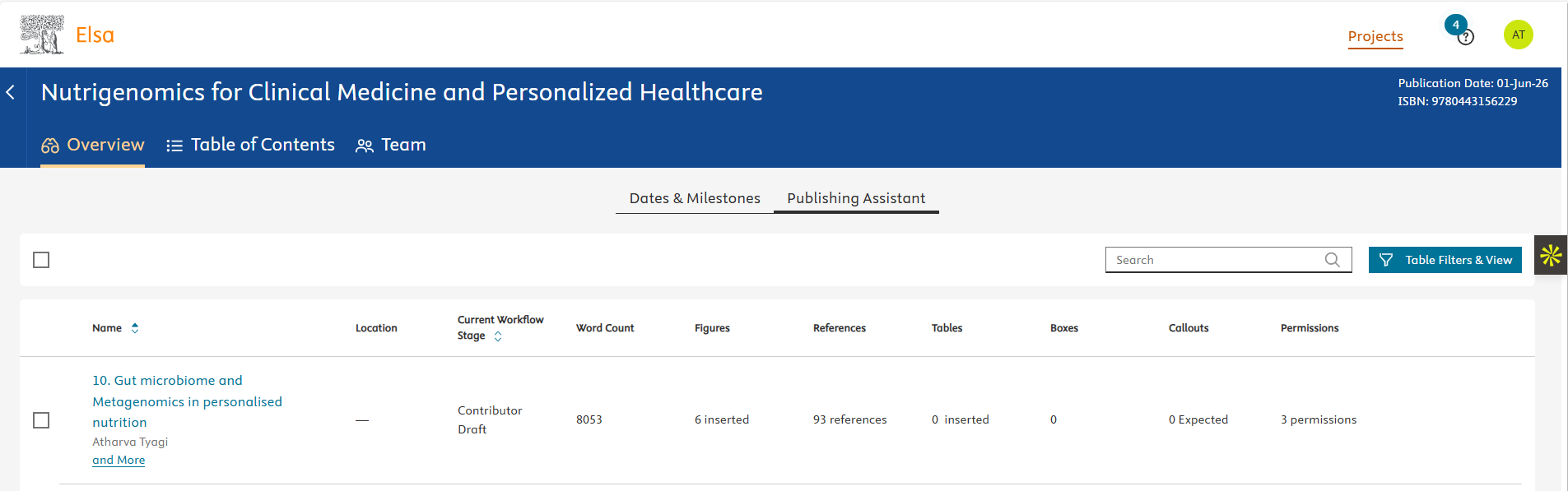
My Contributions

Outcomes and Impact

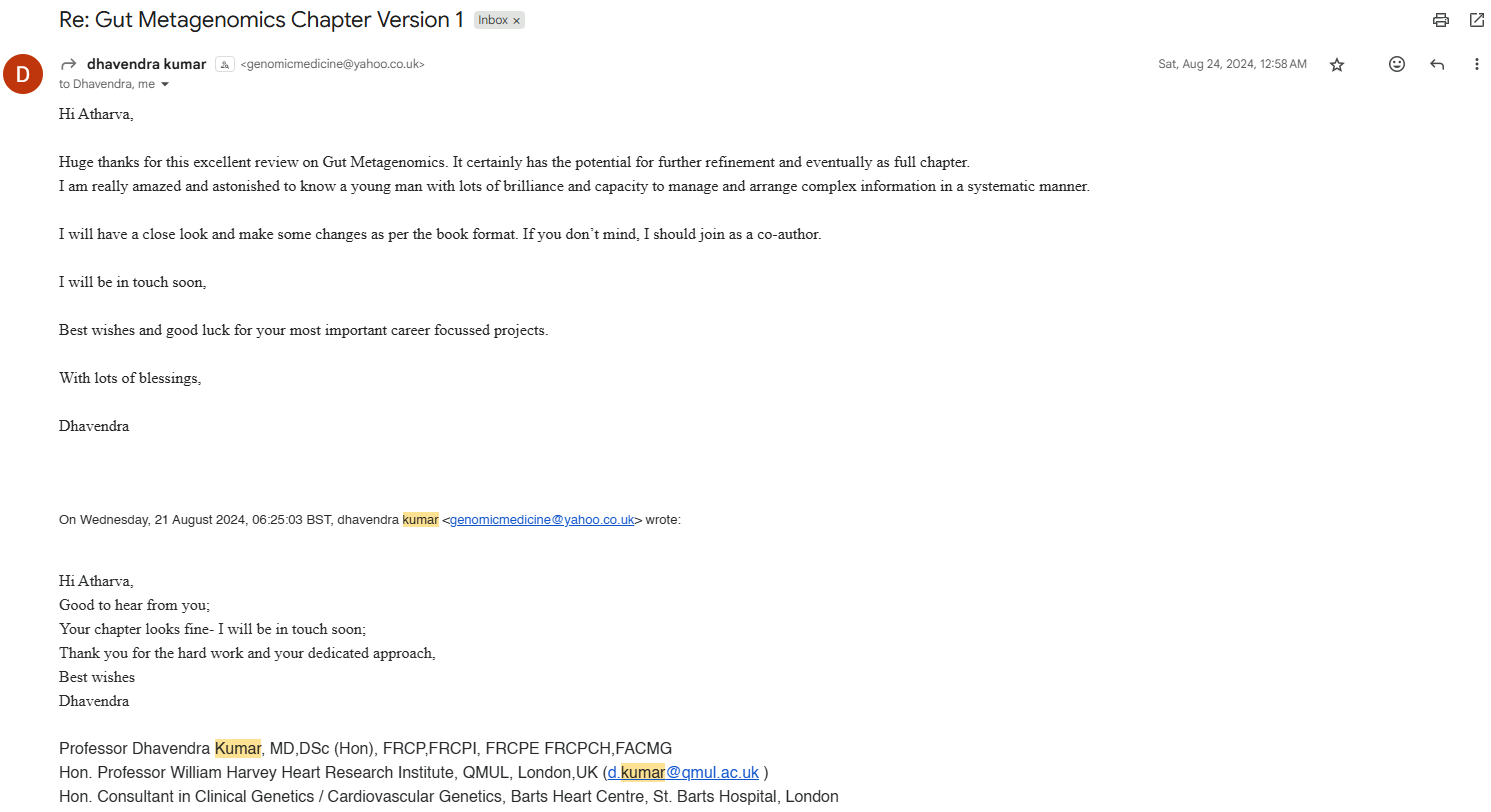
The completed chapter, Metagenomics and Precision Nutrition, was accepted for inclusion in an Elsevier textbook on precision medicine. Professor Kumar commended my ability to organize complex scientific material and recognized the manuscript’s potential to develop into a full academic chapter.
The publication frames gut metagenomics as a foundation for personalized nutrition and precision health, showing how microbial ecosystems influence gene expression, disease risk, and therapeutic response. The collaboration provided practical experience in academic authorship, evidence synthesis, and international research communication.

Reflection

This project began with a cold email. Reaching out to a leading geneticist at a London research institute from my desk in New Jersey taught me that initiative is often the first step toward opportunity. What started as a simple inquiry grew into months of virtual collaboration across time zones, iterative manuscript drafts, and long discussions about how microbial data can transform global health. Working with Professor Kumar gave me firsthand experience in building international academic connections and navigating the rigor of professional publication. It taught me that research is not limited by geography but by curiosity, persistence, and the willingness to connect ideas and people across borders.