Research Intern at Sherwood Lab

Overview

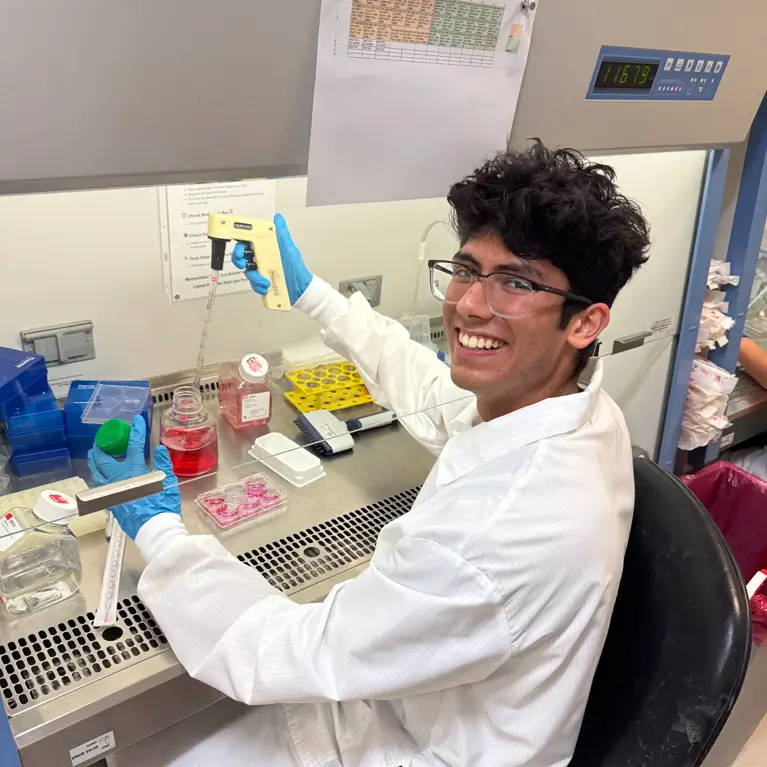
At Harvard Medical School and Brigham and Women’s Hospital, I contributed to a large-scale project in the Sherwood Lab that applied prime editing–based deep mutational scanning (PE-DMS) to functionally characterize over 6,000 LDLR variants, resolving the effects of both gain- and loss-of-function mutations associated with familial hypercholesterolemia (FH).
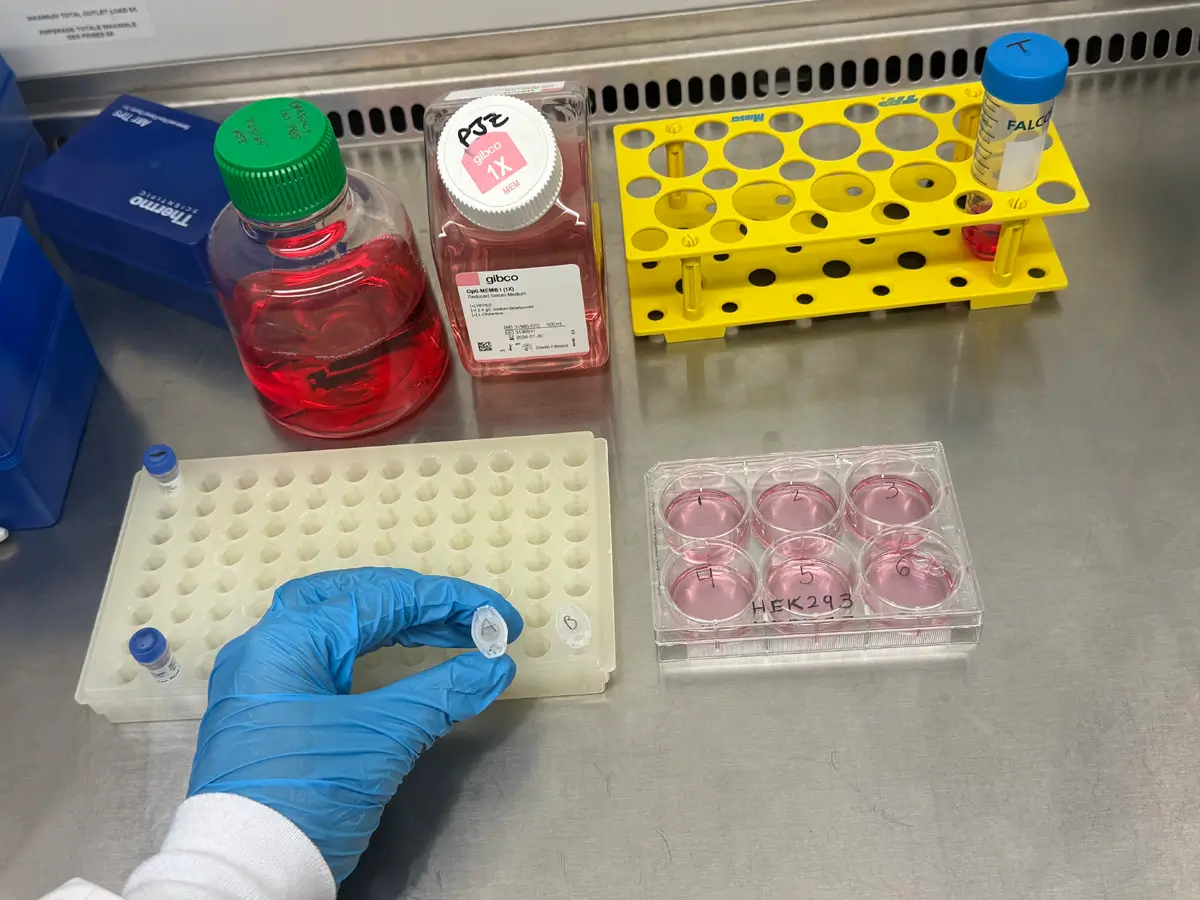
Building on this dataset, I independently designed and executed a follow-up project investigating whether gain-of-function (GOF) LDLR mutations could genetically rescue loss-of-function (LOF) mutations on the same allele. This potential therapeutic framework could make precision gene therapies scalable and economically accessible.

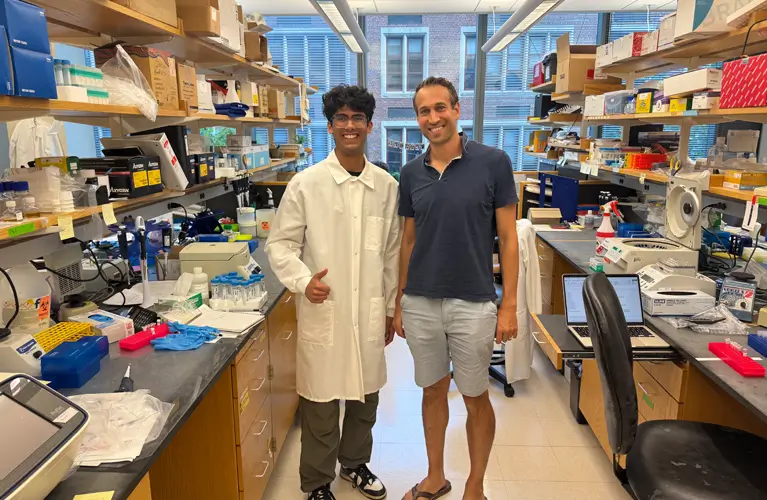
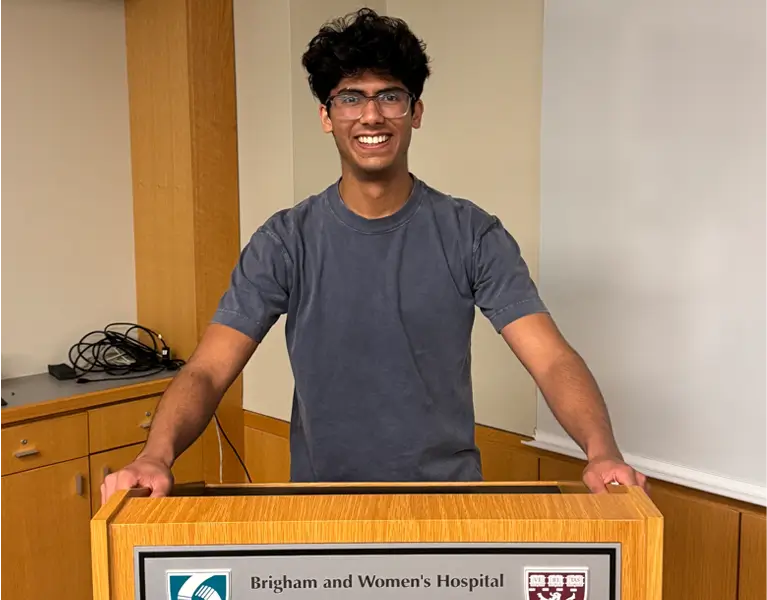
“Harvard Medical School/Brigham and Women’s Hospital – Sherwood Lab”

Prime Editing LDLR: From Variant Classification to Therapeutic Rescue

Research Focus

Familial hypercholesterolemia (FH) affects 1 in 300 people globally, predisposing patients to early-onset cardiovascular disease due to pathogenic mutations in the LDLR gene. Although sequencing can identify these mutations, the majority remain variants of unknown significance (VUS), leaving their clinical relevance uncertain.
My research extended the Sherwood Lab’s PE screen by asking:
“Can one gain-of-function LDLR variant restore receptor activity impaired by distinct pathogenic mutations—creating a universal genetic rescue mechanism for FH?”

My Contributions

Outcomes & Impact

Reflection

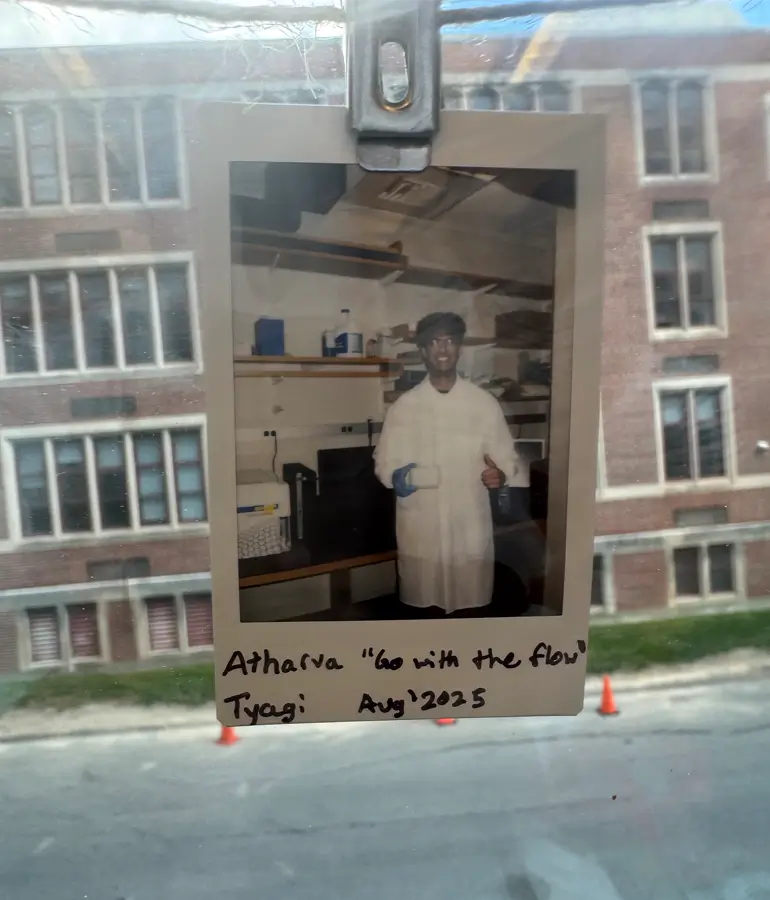
Being at Harvard, surrounded by the world’s top scientists, gave me valuable insights into what it truly means to be the best. It put a “face to a name” – that is, showing me, tangibly, what it takes to operate at the top of one’s craft and translate that mastery into impact. Designing a project that bridged molecular biology, data science, and clinical relevance reshaped how I view medicine itself. I left the lab not only with stronger technical skills but with a clearer sense of purpose: to dedicate my career to advancing discoveries that move seamlessly from the bench to the bedside, improving lives at scale.