Science Fairs

From First Experiments to Independent Discovery

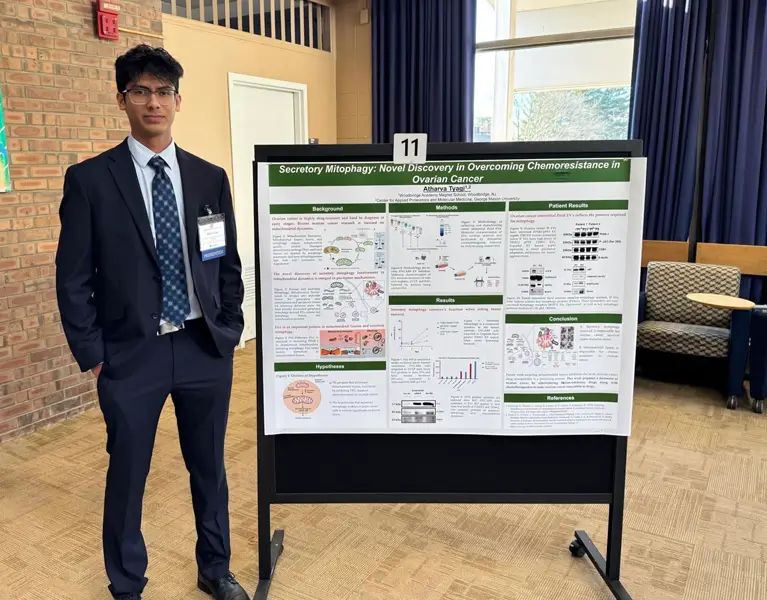
Poster Presentation at TNJSF – 2023

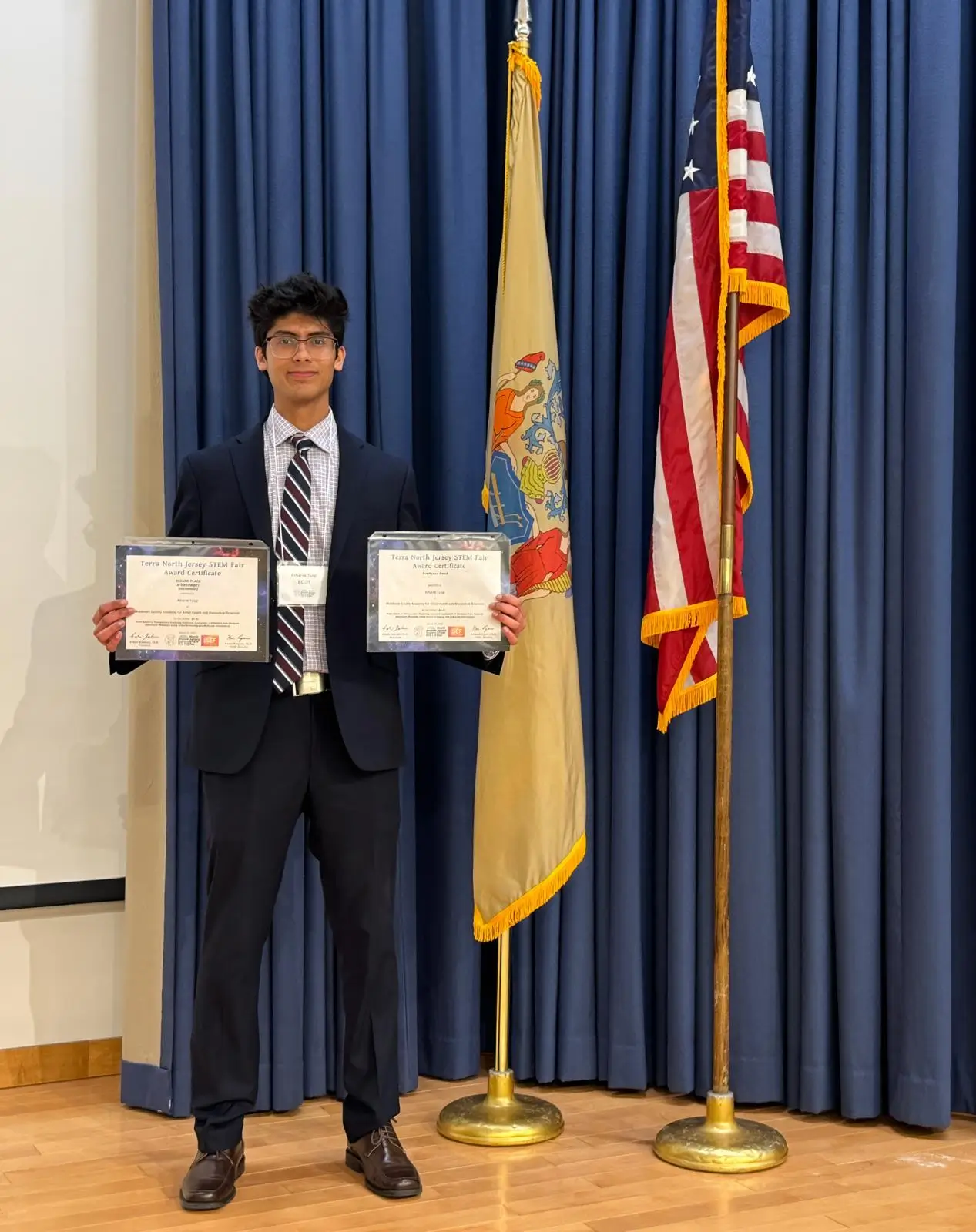
Award at TNJSF 2023

2023 – New Jersey State Science Fair (TNJSF)

My first-ever science fair was the 2023 New Jersey State Science Fair. I worked 100+ hours in a BSL-1 training laboratory under the former University of Pennsylvania professor, Dr. Yajamana Ramu, who guided me in basic microbiology and sterile work techniques.
My project, Synthetic vs. Natural Antimicrobial Agents: Which is Better for You?, tested combinations of garlic, ginger, and clove extracts against gut flora bacteria, including E. coli and Lactobacillus acidophilus. It was my first exposure to experimental design, data collection, and the unpredictability of live science.
I placed third in the Cell and Molecular Biology category, but I did not advance to ISEF or receive special awards. The experience was humbling. I remember leaving the fair that Sunday disappointed, yet it became a turning point—showing me how far passion can go even without formal experience.
2025 – Northern New Jersey Junior Science and Humanities Symposium (JSHS)

By 2025, my research had evolved from the small lab bench to collaborative university work. I was selected as a Poster Finalist at the Northern New Jersey JSHS, where I presented my ASSIP project on Secretory Mitophagy: A Novel Mechanism in Ovarian Cancer Chemoresistance.

The symposium gathered students from across the state presenting their work before university judges. Discussing a newly discovered cellular process in front of faculty researchers gave me a glimpse of what professional scientific dialogue feels like—equal parts challenging and inspiring.

2025 – New Jersey State Science Fair (TNJSF)

Poster Presentation at TNJSF – 2025

Award at TNJSF 2025

I returned to the fair two years later with a new level of confidence and independence. My project, From Nature to Therapeutics: Exploring Antitumor Cyclophilin A Inhibitors from Veratrum dahuricum Rhizomes Using Virtual Screening and Molecular Simulations, applied computational drug discovery to identify natural compounds that inhibit Cyclophilin A, an underexplored cancer target.
This time, I was comfortable explaining molecular docking, ADMET modeling, and dynamic simulations to judges who specialized in pharmacology and biophysics. I received the Special Biophysics Award from the Biophysical Society, becoming the only recipient out of more than 400 participants, and placed second in Biochemistry.
The experience reaffirmed how far I had come from pipetting in a high school lab to modeling drug-protein interactions across thousands of compounds.